The last birthday card

I was in a 12-Step program for 13 years and even though it turned out that I was just a dickhead, not an alcoholic, I learnt a lot of useful things in there. I learnt the value of stoicism and how to accept suffering and inconvenience. I learnt that happiness is not mandatory for having a successful life.  Most importantly, I learnt that having good parents is the golden ticket in the lottery of life.

After watching and listening to everyone in those meetings over many years, I began to develop a personal theory about parents and people. I believe that the world of grown-ups can be divided into those who are still children and those who have become proper adults. It became clear to me that an astonishing number of attendees at those meetings had been raised by people who had never grown up. I also found that many of the broken, sad, courageous, resilient and hopeful people I met in those rooms were still children themselves. I too, was very childish before I came into those meeting rooms, but I noticed over time, that is was easier for me to develop emotional maturity than some of my fellow members who had not been parented by adults.

What do I mean by being an “adult” grown-up? I don’t mean strength, power and dominance over others. Strength is important in adulthood, but the brittle rigidity that snaps when tested is not true strength, and nothing tests you like parenting young children. I think we’ve all felt the red mist rise up in us at the idiotic, frustrating and nonsensical things that toddlers do; and we’ve all been guilty of snapping, slapping or saying things to kids that we regret. What separates  the adult-sheep from the childish-goats though, is the ability to say sorry and acknowledge fault, even when you hold all the physical power.

I would say that both of my parents were adults in this way, but my Mum was a particularly good example of this type of adult. Like many Catholic women of her generation, Mum was “blessed” with an excessive number of children in a ludicrously short space of time. Naturally, she was in a rage a lot, and my very earliest memory is of myself running flat out down the back lane in Kalgoorlie to avoid a belting, with her in hot pursuit. (I used to climb the lemon tree a lot for the same reason, knowing that her dicky hip would prevent her from clambering up after me, as I cockily perched on a high branch). Another part of this memory is also crystal-clear in my mind. I can see myself sitting on Mum’s lap, the Bonaire blasting cool air, dripping water into the tray below as it struggled against the baking Goldfields heat.  Mum is hugging me tight, and saying sorry that she scared me, she was just chasing after Dad who had left his briefcase behind (again), and she knew that he needed it badly. I suppose experience had taught me that if Mum was moving that fast, I better run.

The point is, Mum was big enough to know it was her fault I was scared enough to bolt, and that she needed to make amends. She didn’t need to pretend I had over-reacted, because she was adult enough to take responsibility. As time went on, and all of us finally went to school, these situations almost never arose, and Mum moved into being the person that she really was: fun, funny and fun-loving. Mum had a light-hearted, child-like energy, which is also a sign of real adulthood, strangely enough. Seriousness is often mistaken for adulthood, but the ability to laugh at yourself and the world is the opposite of the thin-skinned, brittle energy of the “child” adult that we are seeing a bit too often at the moment.

It’s easy to sanctify and sanitise the dead, but this isn’t really necessary with my mum, Betty Brennan. Bet was so very human, and well aware of her own foibles. She was mostly famous for reading a lot and not keeping a very tidy house. One of our family tales told of an unexpected visit by our fanatically clean Aunt Mary and her daughter Patsy. Betty opened the door in a flustered state, only to watch them both step in a splodge of jam on the floor. “Stick around!” was Bet’s rejoinder to this mishap, before sitting them down for a cup of tea and a very long chat. I later heard that Aunt Mary had once said: “Let’s call in on Betty-the place will be a mess, but at least we’ll be welcome”.

It was this welcoming charm that drew people to Bet throughout her life. She made everyone feel special and interesting, and always had time for a yarn. This tendency to put others first stayed with her until her last days. I found it hard to watch her straining, on her death bed, to put others at ease, to smile and try and converse, even though she wasn’t making much sense at that point. I remember wondering if there is ever a time in a mother’s life when she gets to put herself first and tell everyone around her to fuck off, but I changed my thoughts about this later. Betty was a very protective mother, as all true adult parents are, and maintaining her party manners in extremis was a way to preserve some dignity; but was also the last act of parental service she was able to do. “I’m fine! Everything’s fine! Don’t worry about me!” Just like the last birthday card she wrote to me, in the spidery, wavering script of the nearly-blind, she urged me to “dance up a storm” at my 60th ; even then, her only thoughts were for the happiness of her child.  

Now more than a year has passed since she left us, and I am able to reflect more in gratitude than grief on the gifts she left us all. Her example of adult stoicism, when, after a day of dealing with six kids and all the rest, she still had time to come in and stroke our hair if we had trouble getting to sleep. The feel of her nice scratchy nails, and water-roughened skin on hands that always smelled like chopped onions- a result of one of the  “look busy” tricks she’d learnt from some sister-in arms: “if you start frying onions as soon as your husband gets home, he’ll think you’ve been working all day”.

Her lovely singing voice, and delight in all music. She whistled a lot and taught us 3-part harmonies while we did the dishes. I sing the same songs to my grand-daughter, and I know my ability to care for her, even when I am tired is because I was well-mothered.

I think the most wonderful legacy she lefts us though, was her insatiable thirst for learning and scholarship. She had eclectic interests, including astronomy, spiritualism, poetry, geography, religion, ancient history and according to her 1970 diary, read War and Peace in 8 days! That probably accounts for the jam on the floor. She read the entire bible from Genesis to Revelations in her 80’s, and decided that she couldn’t really go along with it after all and stopped going to church.

There’s not one of us “kids” , to this day, who doesn’t have a study project on the go, either formal or independent, and life probably won’t be long enough for us to cram in all the things we still want to learn.

Thanks Bet you bloody legend xxx

Lamentations

It has been impossible, since October 7th 2023 to avoid awareness of the Israel-Palestine conflict, and many of us have become armchair experts on the situation. I am no exception, and have been horrified, haunted and sickened by the relentless images of slaughter and starvation coming out of Gaza. Until recently, though, I had never considered the suffering of Jewish people involved in this mess. It was much easier to plan this piece when my views were more polarised, but as I have read and watched, listened, learned and written notes over the past few weeks, it has become so much more complex, and dare I say, nuanced than I thought it could be.

When I say complex, I am not referring to the political reality in Israel and Palestine. As far as I can tell, the extent of Israel’s occupation of Palestine violates international law and represents injustice and oppression of the grossest kind.

The complexity and nuance that I am referring to is the systemic, and often vicious  erasure of Jewish suffering since October 7th. I have been increasingly troubled by the tone of debate around Jewish people in this country as I watch disgraceful anti-Semitism creep its poisonous, strangling tentacles through our communities. While it has been so heartening to see the huge, worldwide empathy for the suffering of the Palestinian people, it seems that the cost of this is contempt and hatred towards our Jewish friends. I find this utterly unacceptable.

Despite my own view of Zionism as a failed and fatal project, I am able to empathise with the desire of Jewish people for a homeland, considering their many centuries of persecution. The longing for home surely must be one of our most universal, shared human feelings, yet for Jewish people, this yearning cannot even be whispered. I live in a country that was founded on the dispossession and genocide of innocent people, yet I am allowed to freely express my love for my homeland with impunity. I do not have to hide my children to keep them safe, as Aboriginal parents had to do for decades, but this is what Jewish parents are now considering in present-day Australia, and it seems that we are ok with this. In fact, we seem to take self-righteous pleasure in their fear.

I recently read a book that was recommended by someone I like and admire, but which was dismissed by someone I hold in equal regard. It was a collection of essays by Australian Jewish women in the creative arts, who were writing about how their lives have changed since October 7th 2023. What I read was haunting. Woman after woman, the words were the same: Where can I hide? Where can I hide? Where can I hide my children? How can I hide my children? The panic, the breathless, rising terror amongst these women was heartbreaking. This was Melbourne, 2023.

It wasn’t just fear, it was absolute bewilderment and shock that people they had thought of as friends and like-minded allies shut down and silenced them about the terror inflicted on October 7th. One woman was stood down from her position as artist-in-residence for posting images of Israeli hostages. Another bereaved woman was told to “stop playing the victim”.  Even before Israel’s retaliation, while people in Thornbury were still phoning Israel to see if family members were alive, posters of kidnapped people were torn down, and Jewish businesses were defaced.  There was no sympathy, no revulsion at the rapes of young women at the Nova Festival, no “I’ll ride with you” as we saw in the wake of nasty Islamophobic attacks a few years ago. It was as though the mask of progressiveness suddenly dropped, making visible the anti-Semitism just below the surface.

It’s absurd to equate the suffering of the Jewish women in the book to the industrial scale of murder being perpetrated by the Israeli government on Palestine, but I don’t understand how silencing the Australian Jewish women is anything other than a perpetuation of the violence we claim to abhor. My immediate family (grandad and upwards) were directly impacted by the genocide perpetrated by the British in Ireland over many years and we were tacitly encouraged as children to support the IRA. We had family friends who collected donations to support guerilla work in Ireland and the UK. However, if a group of Protestant women from that time wrote a series of essays on how fear of the IRA had impacted them, I don’t think that I could dismiss their suffering as whiny and selfish.  I hold England and its government entirely responsible for the atrocities committed against my people, and nothing can alter that fact. However, acknowledging this does not prevent me from empathising with Protestant mothers whose children were murdered. Why are we so unable to hold awareness of more than one reality in our minds without silencing and dismissing that of someone with whom we disagree?

I noticed two other things as I read these essays. One was that many of the writers seemed a bit deluded about factors contributing to the October 7th atrocities. This reminded me of the way I used to think about Australia. It is difficult for the descendants of colonisers to accept that the privileges they enjoy were paid for by dispossessed people, yet I am not the only person in Australia who is unwilling to stop living on stolen land.

The second thing I noticed, was that most of the writers had been “cultural Jews” before October 7th, but had quickly hardened into a much stronger Jewish identity. This increased polarisation is the core of what we, on the left, should be resisting, not fomenting. We are told that we must pick one side, or risk social annihilation, but what if both sides kill babies and small children? We are then forced to choose the side that kills fewer babies. How do we reconcile our choice to actively support a group that kills any babies? We reframe this side into heroic freedom fighters and shout louder so as not to hear the screams of Ariel and Kfir Bibas, or the raped and mutilated girls at the Nova Festival. If you are rightly horrified by images of dead Palestinian children, how is it that the sight of Shani Louk, face down on the back of a ute with four wild-eyed men provokes only sneering dismissal?  If some Israeli innocents are acceptable collateral damage, where does that leave us in our condemnation of violence?  I am not arguing that you must avoid taking sides. It is clear that the worldwide movements in support of Palestine are having a powerful and positive impact on the fortunes of that broken country.  I am arguing that in doing so, your claim to clean hands is hollow, and by attacking, silencing, and rejecting your Jewish friends and colleagues, you are feeding the very racism you claim to oppose.

The people who create and benefit from wars need you to forget that there are individual people on both sides. Take care that you do not help them do their evil work.

Further reading:

https://www.abc.net.au/religion/zionism-anti-zionism-doxxing-and-whatsapp-zio600-group/103472344

Where angels fear to tread

“It is unbecoming for young men to utter maxims”

Aristotle

Photo credit: Katie Rain for BabyCenter

It shames me to say this, but I see a lot of my younger self in Charlie Kirk. I shudder to think what harm I could have done if I had had the same opportunity to influence so many young people when I was spouting off some of the same toxic shit that Charlie was. Like Kirk, I was born and raised in a Christian cult, and for many years, that was how I saw the world. I may have tried to blast my way out of Catholicism with hefty doses of alcohol and sex once I was free of my parents’ supervision, but that type of kneejerk reaction is very different from a genuine, internal shift. Once I was safely married and mothered, I reverted quickly to the shelter of my traditional beliefs and joined a Catholic group whose mission was to support expectant mothers as a means of discouraging them from terminating pregnancies. “Abortion is an abomination”, I brashly opined to a very dear friend, who reeled in shock at my callous idiocy. She’d had a termination some years before and was understandably hurt by my comment. It wasn’t until after my second baby and a bout of post-natal depression followed by a pregnancy scare that the reality hit me personally. I wasn’t pregnant as it turned out, but if I had been, I would not have been able to cope with another baby, and I knew that now. “Experience is a dear school, but fools will learn in no other” as my grandaddy would say, and like all fools, I was unable to truly understand a situation until it affected me directly.

Charlie Kirk was another such fool, and he now has no way of emerging from his stupidity, which is sad. What is sadder is that, even had he lived, the conditions required for that change to take place, probably would never have cropped up in his life. I remember when I was in Year 12, we had a guest speaker come to our school, an Aboriginal bloke who kicked off the session by speaking to us in fast dialect. We were all a bit stunned, being completely insular white kids, who were living on the upside of the invisible apartheid that was Perth at the time, and he laughed at our horrified faces. He moved quickly into English and said something that I didn’t understand then but certainly do now. He said: “you know, it’s only you girls who are going to be able to have some idea of what I’m going to describe, because you will experience similar things as you go through life.” He went on to give us a talk on the foolishness of colour prejudice and sexism, and how harmful these things were to everybody, including the perpetrators. At the end of the talk, something strange happened. Two members of our class went up to talk to him. Their faces had an animated glow that we had never seen on them as they excitedly chattered to him, finding relatives in common and exchanging stories. Once he left, they went back to being what they usually were: stolen-generation Aboriginal kids pretending to be white so that the rest of us could feel comfortable. Yet, just for a moment, these two girls had given us a glimpse into a parallel world that we did not know existed. A world that had been brutishly erased by forces that lifted us up while pushing down our two classmates.

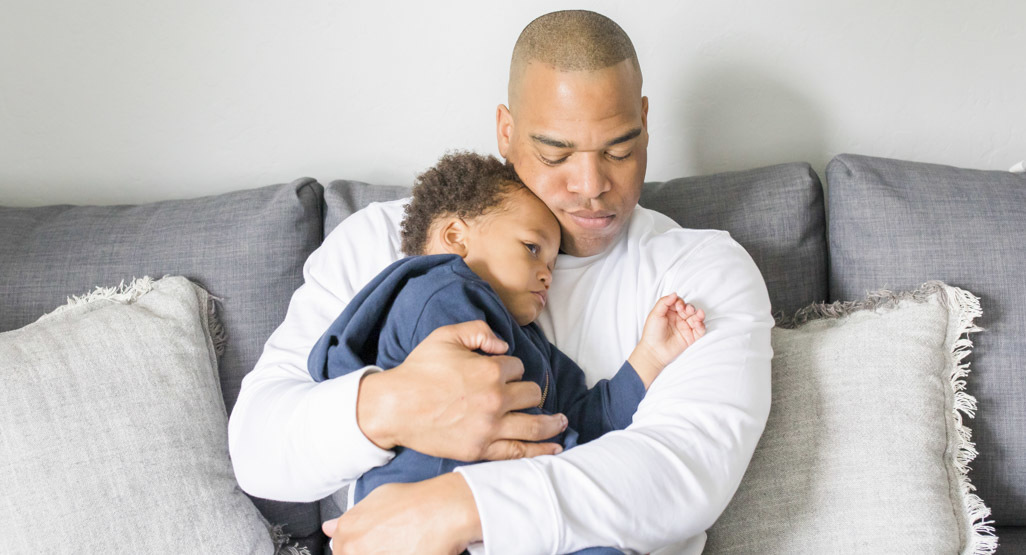
Like us, Charlie Kirk believed that his reality was the only reality. Raised in a bubble where white men are masters, women are dependants, everybody is heterosexual and brown people shouldn’t fly planes, Charlie’s view of the world would have been laughably quaint if it wasn’t so sinister. Like me as a 30-year-old Catholic, smugly asserting that “I would never have an abortion”, he never considered that he simply had the unearned luck of being born into circumstances that gave him access to more choice than many other people. More disturbingly, we were both blind to the damage that our very immature and uninformed opinions could do to vulnerable people.  It is no surprise that Charlie Kirk’s notion of masculine strength and leadership were so appealing to young men since brittle, boyish immaturity was what underscored so many of his preoccupations. He emphasised the most vacuous, fragile veneer of masculinity as a model for strong and dependable male leadership and sold this as an ideal. Men who pulled their weight in domestic tasks were “soy-boy cucks”, and a man’s pride was centred solely on his ability to provide and protect. Yet the world desperately needs the type of male leadership that has the capacity for endurance and suffering that is typically developed in nurturing babies and toddlers. There is nobody more enraging, exhausting and irrational than a very young child and the superhuman self-control that is often required is heroic. I was recently on a long-haul flight seated near a young couple with an 18 month -old baby. It wasn’t a bad baby as babies go, but it really kicked off at seatbelt time. It writhed and shrieked, insanely wrestling its way out of the father’s grasp, and had to be repeatedly restrained. It was a great relief when the seatbelt sign went off and the mother took the baby.  However, the child continued to cry inconsolably until it was handed back to the father, when the tears turned off like a magic switch, and the rosy head lay down on his shoulder. Throughout the flight, the father walked and bounced, rocked and soothed, pacing slowly and deliberately up and down the aisle. He was tired and pale, but calm and strong. His body seemed to say “I am here. I am your father and I will always be here, whatever you throw at me, I am big enough and man enough to handle this for as long as it is needed”   He overcame, through many hours, the normal human response of impatience and rage that we have all felt as parents at times, and which in many tragic cases leads to people losing control and hurting children. His strength lay in nurture, not domination. His self-control and tenderness exemplified the type of manhood that should be the ideal presented to young men, not the rigid, superficial braggadocio so beloved of Charlie Kirk and those supporting him.

What ultimately killed Charlie Kirk was the logical extension of the energy and values that he preached. Shoot first and ask questions later. The man with the biggest gun wins. No chance at redemption, humility or change. What a waste.

If you know a young man who is looking for information on courageous, masculine leadership from men who probably don’t drink soy milk, you can’t do better than the website below:

https://www.sheisnotyourrehab.com/

Into the darkness

Last weekend in Perth I had a couple of unsettling experiences, both of which caught me off guard. First up, I was a guest at a progressive Christian church and feeling a little subversive given my family history of sectarian nut-jobbery a mere generation ago. With my Irish surname safely tucked out of sight, I sat comfortably, admiring the stark Calvinist interior— a little bland without the sword-pierced hearts and bleeding images of my childhood churches, but a lot less disturbing.

Everything about the service was pleasant: a gifted pianist, warm parishioners, lovely hymns. The preacher began mildly, commenting on the decline in Christian-identifying people in the last census, then quickly shifted gears. She asked if anyone knew the most common baby name in England, and I waited for her to say “Mohammed,” which she did. Being still in my kumbaya-this-is-a-groovy-pro-refugee-church state of mind, I half-expected her to follow it with something expansive—about the vitality of faith across traditions, or the way different religions might support each other in an increasingly secular world. After all, you only have to look at how the Sikhs appear like clockwork in every flood or bushfire, rolling up with food and comfort, or when Kyle Sandilands made those cheap cracks about the Virgin Mary and outraged Muslims jumped up to defend upset Catholics.

But no—that wasn’t where she was heading. Instead of seeing opportunities for shared understanding, she framed Islam as a threat, urging the congregation to circle the wagons as a way of encouraging more people to participate in the church.  By the time the prayers came—for Gaza, for the Israeli hostages, for peace and healing, the only messages I was left with were hollowness and restriction and meanness and fear. It was very dispiriting, and, on reflection, unsurprising.

Far worse though, was a conversation I had later that day with a very dear, very old friend whom I hadn’t seen in quite a while. This guy is famed for his generosity to a fault, lending money when he has little to spare, and always being that person who gives everyone the benefit of the doubt. We’d had a great catchup, swapping gossip and news and reminiscing about the past. He is a great homebody like me, and said that he loved nothing more than snuggling down with his electric blanket, watching Youtube and “going down a rabbit hole”. I’d vaguely remembered that at the height of the pandemic, we had disagreed on vaccines, and he had elected to lose his job rather than take the vaccine, which surprised me. We hadn’t fallen out over this, as he was generally quite a reasonable fellow, and the only person he had disadvantaged was himself really. I had filed this away in my mind, reflecting that he was obviously more susceptible to misinformation than I had realised, but it had never caused me any alarm. I had forgotten what a gateway drug these beliefs can be to darker viewpoints however, so when our conversation turned to our local community, I was unprepared for what he said next.  We both have homes in Perth’s vibrant, multicultural northern suburbs, so I was really shocked when he burst out with : “I just think there are too many people from all over the place around here. I mean, I walk down the street and see women in saris, and so many Africans and…” He must have seen the look on my face because he attempted to soften the tirade, saying “ Well, don’t you miss the fact that things are not the same as when we were kids? The Australian culture we knew is just disappearing? And they are just letting migrants in without any checks at all”. At least I was able to confidently refute this last piece of nonsense-I mean a five minute Google search would give you all the information you need on the multiple checks, balances, hoops, triple-backflips, hurdles and years involved in migrating to Australia. (For more on this, check out this link):

I finished up the visit pretty quickly after this.  I needed some time to process everything  I’d heard that day. The church thing wasn’t that hard to reconcile. Hearing a mainstream church express restrictive, unkind views wasn’t exactly a first, but my mate’s pronouncements really stuck in my throat. How could such a kind, generous person who would share his last ten bucks with you have become so small-minded, so selfish and callous? The common thread in both of these interactions was fear, and yet both parties were afraid of the wrong things. They were afraid of change, which is understandable, because as humans, we feel much safer when everything stays the same. Yet they were unable to see the looming train of catastrophe screaming towards them and their communities at high speed. My friend thinks that the people marching against immigration on the 31st August are trying to make Australia a safer place, when the movement they are backing is making the country more dangerous, unstable and hateful. He was unable to see that the invisible strings behind this march are being pulled by people who don’t give a shit about “Australian culture”. He had happily picked up a digestible bait, laced with the poison of a thousand mutations of hatred and dehumanisation over the course of history, all leading to the same end.  The preacher at the church thought that emphasizing differences between faith groups would energise her own. The average age in that congregation was 75 years old, so existing efforts at renewal were clearly not working. We say that we lament the hatred, division and violence we see in the world, yet seem unwilling to make even the smallest efforts in our own surroundings and connections.

I have lived in Margaret River since the 1980’s, and I have to concede, that in 2025, it is a very different, and less convenient place to live, due to the overwhelming influx of overseas visitors every year. For six months of the year, I can’t turn right onto Caves Road, access a desk the library, park at the pool or the gym or cross the main street without risking my life. It’s annoying. Only last summer I found myself crushed into a corner of my favourite booth at the library by a beautiful young lady, with sparkling silver rings on her very dirty toes, sitting cross-legged on the nice upholstery. She had an entire DJ mixing desk occupying two-thirds of the table and was loving herself sick to whatever AI-generated doof she was listening to. Naturally, I was miffed. Surely the fairly useless PhD I was working on was far more worthy of the desk space than the musical needs of my continental desk-mate. I could have done the Karen, but I thought, no. Maybe keep tapping away at whatever grindingly dull theory I was rehashing, and at a suitable break in the headphone-wearing, strike up a bit of a conversation, which of course I did. We had a great yarn, I heard all about her family in Portugal, her studies in occupational therapy and our shared dismay over the state of the aged care industry. She was working on creating a layered soundscape for the residents in her nursing home who had dementia.  I had to climb over her in the end to exit the booth, but we parted with a warmth and shared understanding which wouldn’t have happened if I’d stayed in my state of xenophobic rage. Maybe next time I wouldn’t be so charitable, but at least I would know that I was being an intolerant arsehole, and wouldn’t have to pretend that I was just “standing up for the local culture” (i.e. what suits me, me, me).

 Life’s already hard. Surely we can all do a tiny little bit in our own corners to lighten the load. Oh, and if you’re thinking of marching on 31st August-please don’t. Migrants aren’t the problem. Selfishness is.

It’s not that bloody hard

My heart is heavy as I write this, another piece about Australia Day. For the past few years, I’ve been posting little videos on the 26th Jan, trying to explain why, as an honourable nation, we need to change the date of Australia Day. What a happy moment it was when my little bogan-and-proud cousin told me after my last video that he had “never thought about it that way before”, and could now understand the problem. (See the video if you’re interested-it’s a bit chirpier than this article).

It seemed as though things were slowly starting to tip towards decency and fairness, with many organisations declining to participate in celebrating a date that causes heartache for many First Nations people, and some shire councils opting to move citizenship ceremonies to another day.

Sadly, those tender green shoots of hope were blasted by the scorching defeat of the Voice referendum, bringing with it a tighter, meaner spirit. An article in last week’s Sydney Morning Herald, titled :” Australia Day roars back into favour in wake of Voice referendum” stated that: “…Australians have shed their shyness over openly expressing their views on divisive social issues” , and “it is regretful that both major parties have allowed Australia Day to become an issue of division”.

This claim of divisiveness as a reason to avoid change is the same cynical lie used by the “No” campaign in the Voice referendum. With shameless guile, Peter Dutton and his team nobly opined that the one thing that would “divide” First Nations people from the rest of Australia would be giving them a say in matters that affected them. What utter, lying nonsense. The division already exists, yet we are asked to believe that taking the feelings of Aboriginal people into account when making decisions about them, or throwing a party on a different day are the real threats to cohesion. Considering that First Nations people are 26 times more likely to be imprisoned as children and have a suicide rate twice as high compared to the general population, I’m sure Dutton and his supporters are feeling reassured by the remarkable sense of unity they now share with the rest of Australia.

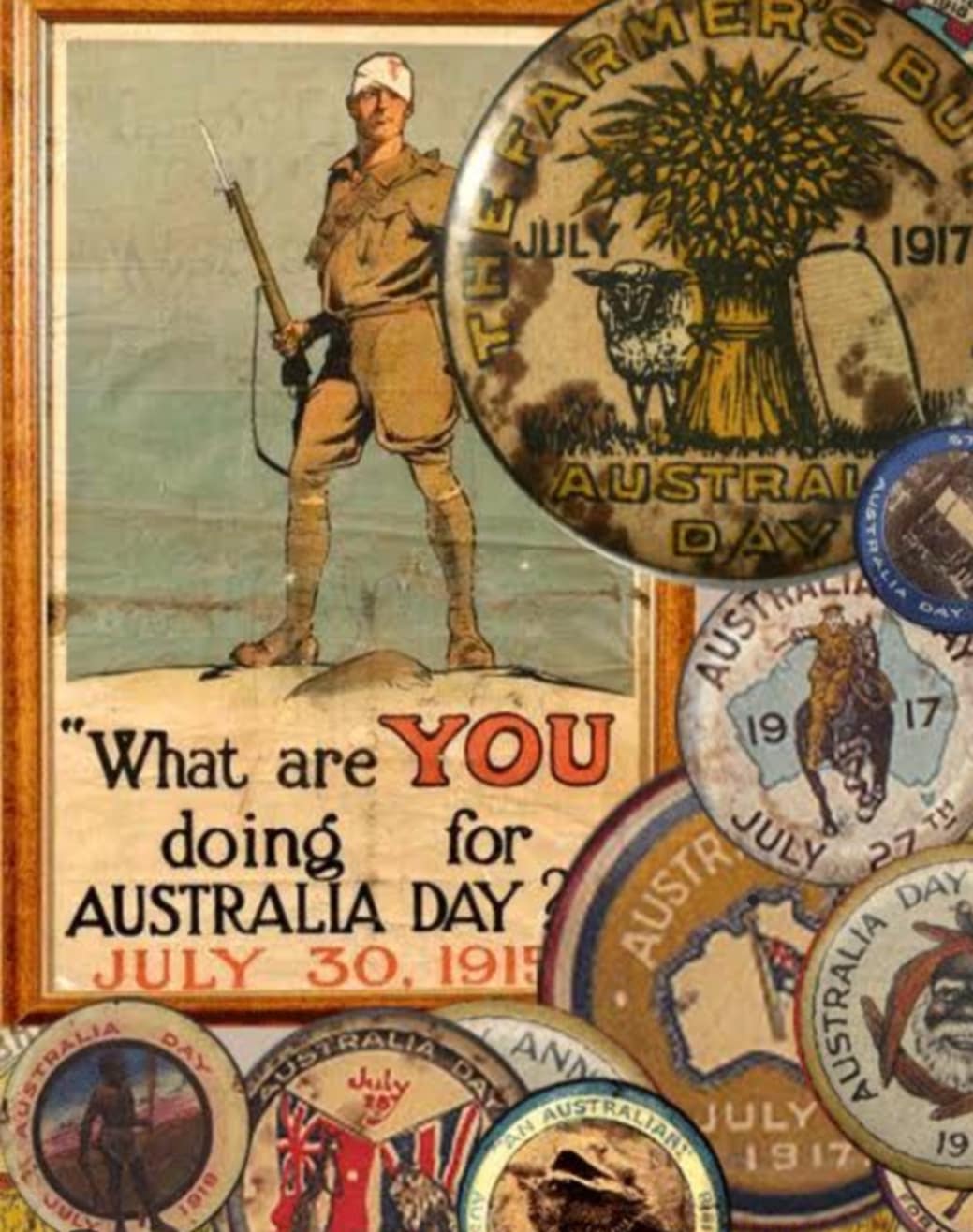
Changing the date of Australia Day should be, and can be a relatively simple process. It has been celebrated on many different dates since federation in 1901, including July 26th, 27th and 30th, and it was only in 1994 that January 26th became the national public holiday for Australia Day. So much for long-treasured traditions.

Explaining why it’s not in the best taste to insist on celebrating our national day on a date that commemorates the British first landing in Sydney cove seems to be a harder sell. In the new world order, it seems that taking a moment to consider the needs of others is no longer seen as a sign of civility, but of weakness. Trampling on other peoples’ feelings, especially those of marginalised groups is a reason for self-congratulation: “suck on that, loser!!”

What would we actually lose by extending grace and courtesy to First Nations people about the date of Australia Day? Would we lose a public holiday? No. Would we lose the opportunity to have a fantastic day at the beach, a barby, pool party, fireworks on the foreshore? No. Would we miss being able to feel pride as we watch citizenship ceremonies, and reflect on all that makes this country so wonderful? No. Changing the date of Australia Day takes nothing from us and confers dignity and respect on both sides. Changing the date of Australia Day brings people in. People who hold a very special place in the history of this land. People who belong here, just as we do. Changing the date adds to, not subtracts from, the joy and pride we all feel in being Australian.

There are 364 other days to choose from, but like a greedy child who has already got all the toys, we want that too. I despair when I see the alternative Prime Minister and the alternative Premier of WA ostentatiously state that their very first action if elected is to make sure that the Aboriginal flag is erased from view. Why? Why are they obsessed with expunging any visible evidence of the original peoples of our nation? If you asked them, they would bleat about “divisiveness” again, pretending that they themselves are not the architects and beneficiaries of the division. Pretending that their sticky, soiled fortunes do not rest on fomenting and fanning as much division and hate as they can convince you to swallow. They want you to believe that you are too weak, too fragile to face up to reality. They want you to believe that by acknowledging that January 26th represents a lot of suffering for Aboriginal people, that somehow the whole fabric of Australia will be destroyed. They believe that Australians do not have the moral courage to look history in the face, because they are cowards themselves. They don’t believe that you have the capacity to hold two simultaneous realities: That you love this country, but you know who has paid the biggest price for its establishment.

I know what happened in the past. I accept it and know it wasn’t my fault. I am not too afraid to look at it. I don’t need to cover it with lies and bluster and confected concern about “divisiveness”. I also know that Aboriginal people weren’t the only people who suffered in the building of Australia as it is today. My Dad was hungry and cold. My great, great grandparents were whipped and starved and shackled and chained, chucked onto a prison hulk for stealing food  and dumped half a world away to scratch around in the red dirt and survive. That doesn’t make massacring mothers and babies, old men and women, stealing kids, beating, and raping Aboriginal people ok. It doesn’t make these things magically disappear and not matter. I am not responsible for these things , but I’m not so  spineless that I can’t open my eyes and see what happened and feel sad, and not want to put on a bloody party hat on Jan 26th.

Change the effing date.

Home at last

The very first time I woke up in this place, I was 15 years old. A roaring from somewhere had jolted me awake, and it took me a few minutes to realise that the sound was traffic 6 storeys below on Edgeware Road, London. It would be hard to find a greener, fresher, dopier adolescent than the girl I was at that time. I had never been overseas, and growing up in the unofficial apartheid that was Australia in the 60’s and 70’s, I had rarely had any meaningful interaction with any person of colour. I remember feeling scared of the West Indian ladies who worked at the Victory Services Club; their deep voices, serious eyes and dark faces were so unfamiliar to my narrow little white-bread life. Everything about London frightened me, and I avoided looking anyone in the face, in case I attracted unwanted attention, especially from men, who were another scary category of person. I might add that, at this point in time, my fears have only been justified by the latter category haha.

Now, 42 years later, here I am, staying at the same place and feeling the deep joy of unfraidness and security that seem to be one of the rewards of getting this far through life. I am on a solo trip for 5 weeks in Europe, after spending 2 years living alone for the first time in my life. Actually, I have had a couple of short periods of living alone, for a few weeks at a time: once when I was in Perth doing my Dip Ed, and the other in my very first rental when I was 19. This was supposed to be a house-share with another girl, but she was often away for weeks at a time, leaving me alone and frightened in a rickety old dump on Cambridge Street. I did have the sporadic comfort of my first boyfriend, but as he had untreated psychosis and paranoia, and was handy with his fists, his reassurance didn’t go far. My kind older sister was drafted by my parents to come and babysit me, but it became increasingly tricky to find plausible explanations for things like broken windows, or cryptic notes left on my bed from “your friendly neighbourhood psycho”.

Yet, as frightening and crazy as it was, I truly longed to be a grown-up who could handle the world, if only I knew how. My self-assigned crash course in adulting meant that I was not only living in this house, but training as nurse in the hospital across the road. That really was intense. At 18 and 19, we student nurses were laying out the dead, listening to people scream in pain as we rolled them over and trying to comfort grieving family members. We were too young to offer anything of great use, and most of our attention was focused on the frenetic business of becoming grown-ups. My trauma-free childhood of library visits, symphony concerts and predictable parenting hadn’t prepared me for any of this. With no claws or fangs for the jungle; no tools of any kind, save a childish charm, this was a very high cliff to jump off. Luckily I found a strong protector in my best friend on the course: a street-smart survivor who was grown up at 16. She was the person who dragged me out of childhood, and taught me how to be an adult in every way it is possible to be an adult; and I will always love her for that.

So, begin as you mean to go on, I continued to depend on the protection of others to keep me safe, until I finally landed on the unfamiliar shore of solo life at the age of 57. I never wanted to live alone, or be alone. One of the main reasons I lived on a rural block in the country for so long, was because it felt safe. No marauder would be bothered walking all the way out of town to my place, and by the time they arrived in a car, I would have found a place to hide in my huge, rambling house. Besides, the dog sounds like Cerberus, and would frighten the scariest baddie out of their skin.

When I first moved to Perth in 2020, I was living with my incredibly old parents at our decrepit childhood home. As the only capable adult in the house, and knowing that a five year old child could have easily broken in, I often lay awake at night, transfixed by phantom sounds. I’m a bit mortified to reveal that I called the police one night, because I “could hear” the footsteps of the monster man heading downstairs. It must have been a quiet night in Scarborough, because almost immediately, two teenagers in uniforms arrived, looking like the entertainment at a hen’s night. They were kind enough to roam through the entire house with their torches, and I was saved the embarrassment of telling my parents, as their deafness and proximity to death meant that they slept right through the whole thing.

By the time I finally moved out into my own home in this big bad city, I had two choices: roll with the fear, or go bonkers. Excellent security screens helped, as did the desire never to return to the cold, lonely dungeon at my parents’ place, which had seen so many tears.

Then something strange happened as I spent night after night, day after day alone, with only me to fall back on: I started talking to myself. My Mum and I had become single at about the same time, and we realised that we were both talking to ourselves. Swapping notes, we found that our self-talk was usually encouraging and supportive, a wonderful legacy of the careful parenting that we had both received. It generally ran along the lines of “It’s alright darling, just try it this way” or “what do you think ? Well, I think you should do this”, or occasionally, “come on old girl, buck up, worse things happen at sea.”

The upside of this business is that I have a little friend with me wherever I go. It sees what I see, does things with me, screams with laughter at my jokes and does a lot of problem-solving. Its constant presence means that I feel at home wherever I am, instead of being overcome by the strangeness of everything. So, even in a mediaeval setting of my childhood dreams, or looking up at the most iconic and recognisable monuments in the world, I feel the same me-ness as I do in my 1980s blond brick quadruplex in Osborne Park.

The downside is that my capacity for the excitement of displacement is diminished. The absence of splitting between real life and a fabulous, glamorous elsewhere means that the wonder and hit of being here is so much less than when I had to escape to be myself. It’s a solid feeling, but a bit unexciting. So here I am, alone in London at the Victory Services Club with half my life behind me, not teetering tremulously at the edge of my life. I’m happy to say that I no longer fear people who look different to me. I continue to recover from endemic racism and am not a complete dickhead. It feels so bloody good heading out onto the streets of Westminster alone at night, knowing that the whole neighbourhood is up for a late night feed and a hookah session till all hours, Mums, Dads, kids and grandmas. I’m home with them and I’m home with me. Life’s good

Sense, lies and (youtube)videos

Now that it is becoming clearer that the majority of Australians are willing to accept current scientific evidence, I feel that I can take a breath, and try to unravel what has been happening over the past 12 months. Mostly, I am now able to explain to myself,  behaviour from people that I have found utterly incomprehensible during this worldwide catastrophe.

Like most of us, I have never really been involved in a collective upheaval this huge until now. There have been a lot of social and economic kerfuffles affecting Australia over the past 50 years, but nothing this widespread since World War II.

This unfamiliarity with global chaos and uncertainty must surely be one reason for the inexplicable  behaviour that we have witnessed from people we know and like. Most of us will experience big, scary emotions when we’re faced with uncertainty. Hell, even I had a toilet paper moment at Woolies last year, and I’m not ashamed to say that I toyed with the idea of making sourdough bread at one point. I actually did buy ukulele online, but that’s for another time. There’s nothing like “I don’t know where all this is going or when will it end” to make you feel crazy, off-balance and wanting to lunge for anything that offers certainty or answers.

Unprecedented uncertainty is one thing. The steady, cynical dismantling of social safety nets via neoliberal policy (cheers Mrs Thatcher!) has become the norm throughout the Western world, leaving public confidence in the government’s commitment to social wellbeing at a generational low. It’s hard to feel a sense of community responsibility, or social connection when government policy makes it clear that we are all expendable unless we are financially productive.

Finally, the unmatched and overwhelming power of social media has to crack a mention. With its limitless capacity to present the user with any information, from any source, at any time of the day or night, this phenomenon is a fungating carcinoma of misinformation and disinformation.

I don’t think anyone could argue with a person’s inalienable rights to refuse to put any substance into their bodies without their consent, be it alcohol, medication, tobacco, vaccines or KFC. It is, always has been, and will continue to be, illegal to force any medication on any person of sound mind without their consent. What is becoming clear though, is that these are not the only rights demanded by anti-mandate protestors. They also believe that they should have the right to expose other people to infectious disease without any restriction.

I saw a photo in the paper last week of a nurse at an anti-mandate rally, carrying a sign that read : “I am not a biohazard”. If anything could crystallise decades of neglect of the higher education sector, it is the sight of a university-educated nurse with no concept of disease transmission. Now, maybe her shit doesn’t stink, but mine certainly does, and it’s a biohazard, just like every bit of gunk that comes out of my body. I know that if I have a respiratory infection, my breath, snot and saliva can carry that infection to another person if I don’t take precautions. Viruses aren’t too good without living bodies to invade, and if there’s one thing they absolutely love, it’s a living body with white cells they’ve never met. Living bodies that already have antibodies through previous infection or vaccination are less popular with viruses, although they will still have a crack. The longer that viruses can circulate throughout a population, the smarter they get, and the more havoc they can create: “Hi, my name’s Delta, how ya doing?”

Nobody likes being told what to do. Nobody likes restriction, or mandates or rules, but mistaking inconvenience for oppression is the epitome of toxic privilege. I enjoy the reckless, Wild West feeling I get in Bali when I see diners perched on 8 foot high mezzanines with no railing, and a hectic tangle of high voltage wires overhead. I love riding on the back of a motorbike with no helmet, and thongs and shorts on, the warm wind in my hair; but my enjoyment of this lack of restriction is a rich person’s fetish, not an ideal state of social utopia. I don’t romanticise the sort of “freedom” that exposes Balinese people to accidents, and gives them no recourse to compensation when injuries inevitably occur.

The fact that governments are being forced to mandate basic common sense and social responsibility is disgraceful. The fact that there are people lighting spot fires as fast as the exhausted nurses and doctors can put them out is beyond comprehension. If you think I like being told what to do by a vacuous spiv like Scomo, you don’t know me too well. But shockingly, me and my ire actually have to take second place in a global catastrophe. It’s called civic responsibility, or being a “goddam bloody adult”. (Thanks Jacqui ya big spunk.)

Adults need to understand that choice often involves some degree of sacrifice. My granddad chose to put his body on the line in the most drastic way possible when he went off to fight in the trenches at Passchendaele in WWI and so did my dad when he agreed to fly in missions over New Guinea in 1944. Both men made these choices because they thought that the wellbeing of the whole community was worth risking their lives for. I can admit to y’all that, even with the reassuring things I had read about Astra Zeneca, I was a little bit worried about the whole blood clot thing. What can I say? I’m human and I like scrolling through Facebook. But I needed to put my emotions aside, read the evidence, and commit to the clearest and most credible choice. In the smallest possible way, I put my body on the line for something bigger than me and my “right” to unfettered freedom.

So, don’t get the vaccine if you don’t want, but understand that your choice does not give you the right to infect other people, particularly those who can’t be vaccinated, like kids with some chronic illnesses; those with anaphylactic reactions or people undergoing chemotherapy. Inconveniently, you will find such people in cafes, hospitals, schools, servos, hairdressers, supermarkets, taxis, pubs and concerts. You never know where they are. They might be on buses, trains, libraries, dentists, police stations or sitting next to you on a park bench.

So, logistically, I guess  governments could try and move all of these people and places a couple of inches to the left for you, or you could follow the lead of 87% of your fellow Australians and take one for the team. Sometimes, you do have to hold a hose mate.

Further reading:

https://vaccinemakers.org/

https://www.health.gov.au/initiatives-and-programs/covid-19-vaccines/numbers-statistics

https://www.healthline.com/health-news/vaccinated-people-may-be-even-less-likely-to-transmit-covid-19-than-previously-thought

https://www.abc.net.au/news/2021-11-08/nsw-health-data-reveals-protection-covid-19-vaccine-gives/100603470?fbclid=IwAR0BFOBtFGQ7dv0H1SIreIMkWkmGkoEpul1alNXMKXyjtu5jejWRAN0jMuE

https://www.theguardian.com/world/2021/nov/21/icu-is-full-of-the-unvaccinated-my-patience-with-them-is-wearing-thin?fbclid=IwAR1LBiXQA9nYAgJPFOxNLVwV1mvZHNAhIpJGq0NwCECUffzZ0pqN-JeXruo

https://www.healthline.com/health-news/debunking-covid-19-vaccine-myths-spreading-on-parent-facebook-groups

https://www.thelancet.com/journals/laninf/article/PIIS1473-3099(21)00648-4/fulltext

Nice white ladies

Well, I really gave and got a cracking example of white privilege and entitlement on my latest trip to Centrelink a week ago.

Let me just backtrack briefly to my latest podcast obsession: it’s called “Nice White Parents”, and if you’re a person of colour, it’s really going to grind your gears with recognition, and if you’re someone like me, it’s going to make your toes curl involuntarily with recognition . But more on this later.

Anyhoo, I had an appointment with Centrelink at 10am, to finally provide them with the identity proof I needed for my carer’s payment for Dad (God rest his soul). Unfortunately, after staying up until 1.30 that morning going down a Poussey-Washington-rabbithole (don’t ask GF), I emerged from my coma at 10.30am-whoops!

I’m not too chipper in the mornings anyway, so first I thought about phoning them to let them know. It took me a while to remember that contacting Centrelink anytime is as likely as locating Peter Dutton’s heart, so after about 10 minutes on hold I thought it might be quicker to just jump in the car and head down there.

So, I got to the front door where a jolly Father Christmas-type doorman asks me if I’ve been over/seas/east/in contact with anyone with Covid etc etc, so I naturally just start banging on to him with the whole rigmarole of missing the appointment, I’m late, I’m a ditz yada yada;  cue charming, voluble white lady hoping to ease her way into the maw of hell that is the Centrelink office.  He kindly directed me to a check-in counter, where I started the routine again-I don’t have much of an indoor voice, so pretty much every poor, damned, desperate soul in the joint had heard my puerile excuses by the time I finally took my seat to wait. Oh, this was AFTER I had asked him if I would have time to go and pick up my bike from the bike shop.

No lady. You’re ONE AND A HALF HOURS late for a scheduled appointment. How about you sit yoursel’ doon and wait your turn?

Actually, that last bit I said to myself. The man at the counter had vaguely said “sure, if you like”; but fortunately I had already had the chat to my inner Karen and sat down in my socially distanced chair, to try and wait like I should have been doing since 10 am .

Next minute, a small Asian lady comes out the front and whispers “ Rhys….Rhys?”. Now this chubby ol’ white lady ain’t gunna stand for no whispering, and hell, we’re all busy important people here, so naturally, out I roar in my best, bossy, white lady voice RHYS??!!!!

Jeeeeeesus….even I could immediately notice how easy it was for me to channel the people in the Nice White Parents podcast, and I can tell you, my motivation wasn’t  just to help out the lady. No siree, it was clear in that moment that nobody but me could run this darned show, youse are all just lucky I’m here! !  It was freaky hey.  So then Father Christmas steps in, to see if he can find the elusive Rhys, drawing a blank as well, but not before he had walked up to the only Aboriginal person in the place, a middle-aged man, neatly dressed in a charcoal suit jacket and jeans,  to triple check that he was not, in fact,  Rhys…

Mate.

 I.Know.What.My.Freaking.Name.Is.

Only, of course he never said this. He just calmly told the bloke what his actual name was, before continuing to sit quietly in his chair.

This may all sound a bit ho-hum to you;  like, apart from me being a bit loud and annoying, what was the problem with my jumping in like that?  (I’m hoping that you can easily see what the problem was with the doorman approaching only ONE person in particular to check that he knew what his name was.)

The problem was not my natural extraversion and loud-mouthery.  I could have been a highly extraverted person of colour in another life I guess, but therein lies the problem.  In that case, my loud voice would have been perceived not as leadership, but nuisance; and more likely, threat. I opened my mouth, knowing implicitly that my loudness was going to buy me attention, service and results. I was not going to be pinged by anyone for taking over. I wasn’t going to be seen as entitled, or uppity or aggressive.

And guess how long it took me to be seen by someone?

6 minutes.

When I left, my mate in the suit jacket was still sitting there like a stale bottle of piss.

Figure that out if you can.

Aussie Rules

I started writing this piece a couple of years ago, but never finished it, because I think it felt like a hopeless enterprise, given the way things are in Australia. Maybe it still is, but here goes.

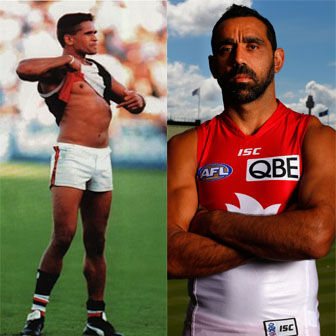
When the Adam Goodes thing was happening, I was sickened and horrified, not just by the booing, but by the seeming inability of the average punter to see this as racist intimidation. I remember reading a thread on our local Facebook Community noticeboard at the time, where someone I know and like had branded Goodes a “sook and a dobber”. This bloke, like so many other people, was unable to see that calling an Aboriginal man an ape, and then bullying him for objecting to it was racism, pure and simple. Even though I understood that neither the 13 year old girl at that game, nor the average person has an awareness of the historical significance of calling a black man an ape, it wasn’t this ignorance that caused me so much despair during this period. What really distressed me was the fact that, as a white Australian, raised in Australia, I knew exactly why the crowds had turned on Goodes.

Around the time that this was happening, I met a bloke from New Zealand who had just taken over as CEO of a big Australian company, with lots of staff. We chatted for a while about the concerns of managing a big team in a new country, and then I asked him: “how are you coping with all the racism?” He was a bit reluctant to say anything uncomplimentary about Australia, but finally admitted “I’ve never come across anything like it.” He was surprised that, as an Australian I was aware of it, but what he didn’t realise was that, just like a “magic eye” picture, my own endemic racism had slowly revealed itself to me over a number of years. This elemental and sinister thread  snakes its way into the hearts and infects the minds of young Australians from a tender age. One of my earliest memories was hearing my beloved kindy teacher in Kalgoorlie advising us solemnly not to drink out of Paddy Hannan’s fountain, “in case an Aborigine has drunk out of it before you.” Comments like this have an impact on children. You don’t actually have to sit a child down and tell them things about the world for them to get the tip, and the tip I got was, Aboriginal people are not your mates, they’re not people you hang around with, essentially, they’re not really real people.

This unconscious belief finally bubbled up into my awareness when I had my first baby. I was 26, and up until then had been oblivious to the fact that I lived in a country whose original inhabitants were now invisible at almost every level of society. I happened to be alone for a night while my husband drove the vegie truck to Perth, and was watching a program about the Stolen Generations.    I remember thinking afterwards, “God, imagine living in a country where someone could just walk in the door, and take your baby from you.” Then I realised I did live in that country. This was my country, and this happened to people here. The force of this realisation hit me so intensely, that I actually grabbed my baby and frantically began looking through the dark windows to the outside, closing the curtains, locking the door and thinking about places to hide. It was at that moment that I realised I had never once, ever considered how the mothers of those snatched children must have felt.  If I had ever given it any thought at all, I might have told myself that maybe it was “for the best”, unaware of the shameful belief supporting this: that these mothers “didn’t feel the same way as us.”

It’s very hard to explain how otherwise, kind, well-meaning people can collude with the wholesale cultural erasing of an entire group of people. Maybe it’s “because of our convict streak,” to quote the inimitable Dave Warner, but facing your own racism is an incredibly painful and shaming feeling, and I completely understand why it’s so hard to do. Nobody likes to reflect on their own cruelty or indifference, or even their ignorance. One of the reasons that Australians struggle to understand other cultures, is because they don’t recognise their own. If you think culture is something that only belongs to people who wear “funny “clothes or worship in strange places,  try skiting about how much money you make, or arriving at a barbecue without a bottle of wine and with an empty plate as so many hapless newcomers have done when asked to “bring a plate.” Just as accepted cultural standards are invisible, so too are cultural taboos until you try and break one, and the biggest cultural taboo we have as white Australians is accepting what has been done to black Australians.

Despite the AFL’s recent apology to Adam Goodes, it’s clear that they still don’t really get what the problem was. Their ham-fisted implementation of the “booing police” simply underscores that they think that booing and bad sportsmanship was the reason for Goodes’ distress. Adam Goodes believed that in the 21st century, given the history of the eugenics movement and the origins of the Holocaust, no black man should be called an ape or a monkey. His faith that this was a reasonable expectation in a fair and just society was tragically misplaced. Instead of giving Adam Goodes the immediate backup this incident deserved, he was left to stand alone and fight alone, until he couldn’t fight any more. The minute that this targeted booing started , the AFL should have instructed every player in every team to sit down on the pitch until it stopped, in every game.

This did not happen because we expected Goodes to do what we demand of Aboriginal people every year on January 26th: suck it up princess, we won, you lost, it’s time to parrrtayy!!!

Australians pride themselves on being fair-minded, kind and warm-hearted, which just makes this level of callous insensitivity so hard to reconcile with our national character. Sadly, I think we still have a long way to go.


Not today….

My Dad is a giant character, an institution in himself and the archetypal family patriarch. Dad has always been there, with his back turned to cave entrance, guarding, guiding and protecting his children, even as we enter our late middle age, a seemingly indestructible presence. Although we don’t always appreciate his persistent supervision, each one of us were knocked way off balance when he was recently hospitalised with severe pneumonia. You’d think that, at 93 years of age, we would all have had some inkling that Dad may not be with us forever, but his never-say-die (literally) attitude kind of keeps us believing in his immortality.
Anyway, true to form, he pulled through and is living to fight another day, pottering around the garden, driving(!) and scrolling through Facebook…
During his illness though, I found myself reflecting on what I valued most about the many things he had taught me. Besides his financial advice : “if you’re always generous, you’ll never have to worry about money” (sorry Bill!); the most important thing that Dad has given to me, and to all of my siblings is a love of poetry. Dad has an incredible feel for poetry and the gift of truly appreciating its depth and beauty. I have seen Dad moved to tears by poems, and am lucky enough to share his reactions, getting goosebumps from certain poems no matter how many times I read them. It was not surprising then, that when I workshopped Dad’s illness with my younger sister, I found that, like me, she had used poetry as a way of coping. Both of us had been mentally reciting a poem every day, over and over to soothe ourselves and to help make sense of life’s inevitable changes. We had chosen different poems, but both were helpful to us and I thought you might enjoy reading them!
Pip chose:

Nothing Gold Can Stay

Nature’s first green is gold,
Her hardest hue to hold.
Her early leaf’s a flower;
But only so an hour.
Then leaf subsides to leaf.
So Eden sank to grief,
So dawn goes down to day.
Nothing gold can stay.

Robert Frost

I chose:

Do not go gentle into that good night

Do not go gentle into that good night,
Old age should burn and rave at close of day;
Rage, rage against the dying of the light.
Though wise men at their end know dark is right,
Because their words had forked no lightning they
Do not go gentle into that good night.
Good men, the last wave by, crying how bright
Their frail deeds might have danced in a green bay,
Rage, rage against the dying of the light.
Wild men who caught and sang the sun in flight,
And learn, too late, they grieved it on its way,
Do not go gentle into that good night.
Grave men, near death, who see with blinding sight
Blind eyes could blaze like meteors and be gay,
Rage, rage against the dying of the light.
And you, my father, there on the sad height,
Curse, bless, me now with your fierce tears, I pray.
Do not go gentle into that good night.
Rage, rage against the dying of the light.

Dylan Thomas

                                               leaves